
Washing machines are essential in every home, saving us significant time and effort to keep clothes clean and fresh. However, many people unknowingly make mistakes that result in less-than-optimal laundry outcomes. From overloading the machine to ignoring care labels, these errors can compromise cleaning quality and even damage garments. In this post, we will explore common washer machine mistakes and how to correct them for the best laundry results.
Overloading the Washer
Overloading is a common pitfall. Many believe that stuffing as many clothes as possible into the drum will save time and energy, but this often leads to several problems. When overloaded, clothes cannot move freely, making it difficult for the detergent and water to clean them effectively.
Statistics show that overloading a washing machine can reduce cleaning efficiency by up to 30%. The extra weight can strain the motor and other parts, leading to costly repairs. To avoid this, check your washer’s manual for specific load capacity guidelines. As a general rule, aim to fill the drum no more than three-quarters full.
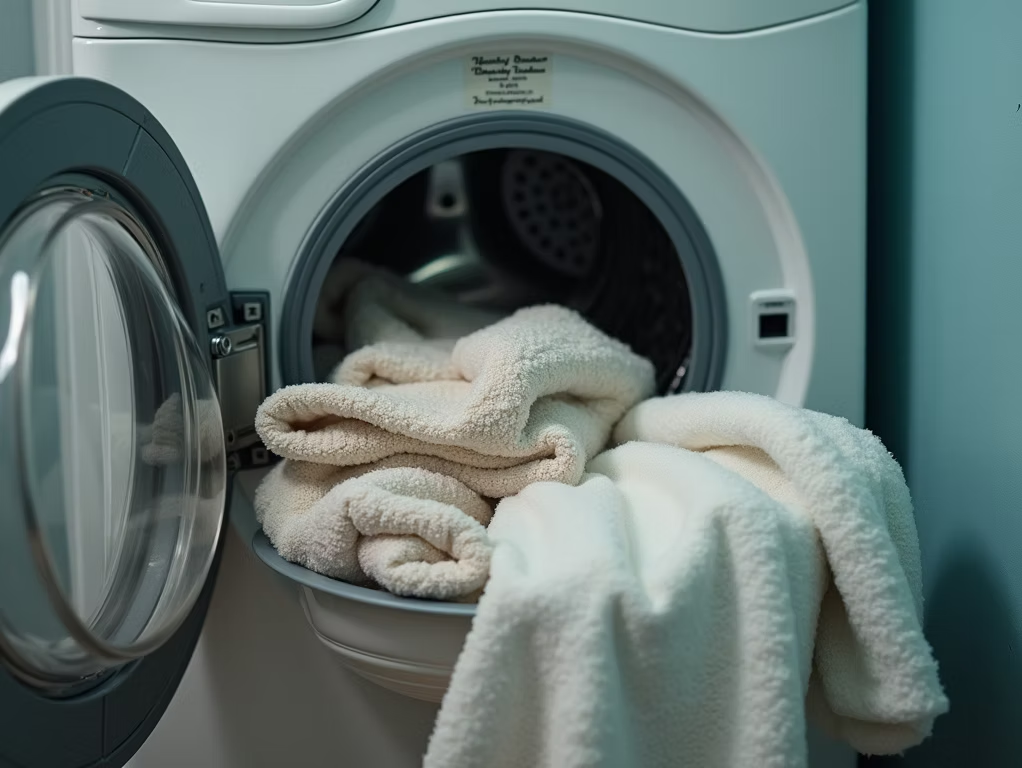
Using the Wrong Detergent
Using the wrong type or amount of detergent is another common mistake. Many people think more detergent means cleaner clothes, but this can actually lead to residue buildup. In fact, using too much detergent can leave behind as much as 40% more residue compared to recommended amounts, resulting in odors and potential mold growth within the machine.
Ensure you use the appropriate detergent for your washer type, whether it’s a high-efficiency (HE) model or a standard one. Never adhere to the manufacturer’s guidelines for detergent dosage. For a front loader, the maximum load requires 1 tablespoon of detergent, while 3/4 of a load needs 3/4 of a tablespoon. You can deduce the amount needed for 1/2 and 1/4 loads accordingly. For a top load washer, the maximum load requires 2 tablespoons of detergent, and 1/2 a load requires 1 tablespoon, broken into 1/4 increments.
Ignoring the Care Labels
Care labels on clothing provide crucial washing instructions. Ignoring these can lead to shrinking, fading, or damaging your garments. For example, washing a delicate silk blouse in hot water may cause irreversible damage.
Before loading your items, read the care labels carefully. They typically indicate the appropriate water temperature, cycle type, and drying instructions. By following these guidelines, you can extend the life of your clothing, maintain their appearance, and avoid unnecessary expenses.
Not Cleaning the Washer
Just like any other appliance, washing machines require regular maintenance. Many forget to clean their washers, leading to unpleasant odors and reduced effectiveness. Over time, residue from detergent, lint, and dirt can accumulate, decreasing performance by as much as 30%.
To keep your washer in top condition, clean it regularly. Run an empty cycle with hot water and two cups of vinegar once a month. This simple task can eliminate buildup and keep your washer smelling fresh.

Choosing the Wrong Cycle
Washing machines have various cycles tailored for different fabrics and soil levels, but many default to a single cycle for all laundry. For example, using a delicate cycle for heavy-duty items may not remove dirt effectively, while a heavy cycle could damage delicate fabrics.
To achieve the best results, select the appropriate cycle for each load. For heavily soiled items, use a longer cycle with a higher spin speed. For delicate fabrics, a gentler cycle is ideal to prevent damage and prolong their lifespan.
Neglecting to Sort Laundry
Sorting laundry is essential yet often overlooked. Mixing colors, fabrics, and soil levels can result in color bleeding or fabric damage. For example, washing whites with dark colors may lead to dingy-nosed whites.
To avoid these issues, sort your laundry into three categories: whites, darks, and delicates. This will help preserve the quality of your clothes and ensure each item is cleaned effectively.
Not Using Fabric Softener
While fabric softener isn’t necessary for every load, it can enhance the feel and scent of laundry. Many overlook this step, missing out on benefits such as reduced static cling and softer fabrics. However, using too much can lead to buildup both on clothes and in the machine.
When using fabric softener, follow the manufacturer’s recommendations for dosage. Generally, use less than indicated for smaller loads to avoid issues.
Final Thoughts
Using your washing machine correctly makes a significant difference in the cleanliness and longevity of your clothes. By avoiding mistakes such as overloading, using the wrong detergent, ignoring care labels, neglecting maintenance, choosing incorrect cycles, failing to sort laundry, and skipping fabric softener, you can ensure your laundry routine is efficient and effective.
Taking the time to understand your washing machine and how to use it properly saves you money on repairs and helps your clothes look their best. So the next time you do laundry, remember these tips and maximize your washing machine’s potential!
Leave a Reply